The first time you eat a cricket, nothing dramatic happens. It's crunchy, faintly nutty, and then it's gone. The anticipation is almost always bigger than the bite. If you've been circling edible insects for a while — curious, mildly squeamish, and tired of being both — this is for you. No dares, no chilli challenges, no pretending to love something you don't. Just what to expect, what to buy first, and how to prepare it so your first experience is genuinely good rather than a story you tell for laughs.
One serious note before anything else. Insects are a real allergen risk for some people, particularly those with shellfish or crustacean allergies, because the proteins overlap. If you have a shellfish allergy, a serious food allergy, or you're feeding someone who does, speak to a doctor or allergist before your first taste. That deserves a proper conversation, not a paragraph in a snack guide. Everyone else can read on.
Start With the Gateway Insects
Not all edible insects are beginner-friendly, and the difference isn't small. Some are mild and almost seed-like; others are intensely savoury, fishy, or bitter in a way that takes several attempts to appreciate. Start at the gentle end.
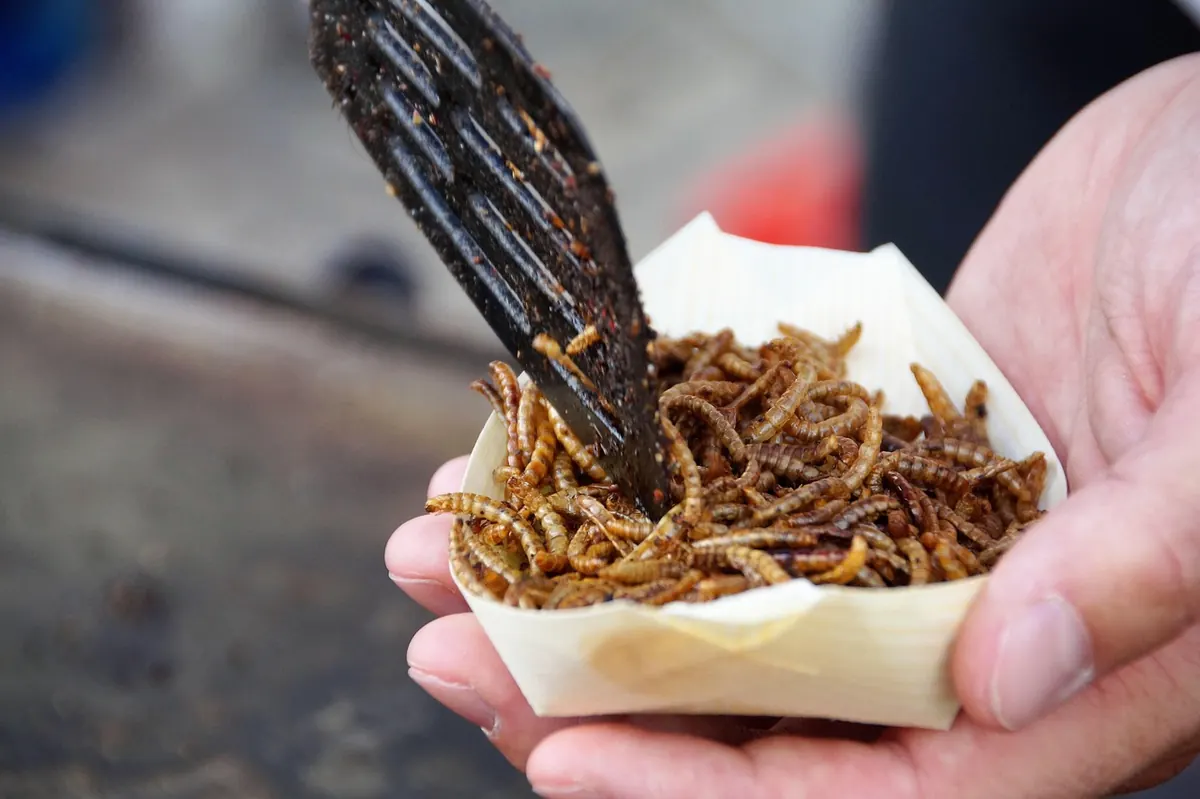
Crickets are the standard entry point for good reason. Roasted whole, they taste like a cross between a roasted peanut and a sunflower seed, with a slight earthiness underneath. Mealworms are even milder — closer to a cashew, and often described as the least "insecty" of the bunch. Grasshoppers are similar to crickets but larger, which means more of the texture that some people love and others need time with.
Save these for later: silkworm pupae (strong, savoury, divisive), black soldier fly larvae (rich and almost mushroomy, but heavy), and anything sold purely as a novelty — scorpions in lollipops, giant ants in candy. Those are souvenirs, not snacks.
What They Actually Taste Like
Here's the honest version: most edible insects taste like whatever they were roasted in. Commercially sold insects are almost always pre-cooked and seasoned, and the seasoning does most of the work. A cricket dusted with smoked paprika and garlic tastes like smoked paprika and garlic with a nutty, savoury base underneath.
What you're really tasting is fat, protein, and the Maillard reaction from roasting. Think toasted seeds, toasted nuts, prawn shells, dried mushroom, a bit of hay. Nobody bites into a cricket and thinks "chicken." If you go in expecting a crunchy, savoury snack food rather than a substitute for meat, you'll be on solid ground.
A quick flavour map
- Mealworms: mild, nutty, oat-like. The safest first buy.
- Crickets: roasted peanut and seed, lightly earthy. Excellent salted.
- Grasshoppers: similar to crickets, meatier, more shell.
- Silkworm pupae: strong, savoury, almost like a firm cured fish. Not for beginners.
- Insect flour: the flavour vanishes almost entirely in baking. Easiest of all entry points.
Texture Is the Real Test
People brace for flavour and get surprised by texture. Whole roasted insects are crisp on the outside with a slightly papery shell, and some have legs and wing casings that read as "scratchy" if you eat them dry by the handful. The flavour is rarely the problem. The crunch is what people remember.
Two ways around it. First, eat them with something soft — a cracker, a bit of bread, a spoon of hummus — so the crispness is one texture among several rather than the whole event. Second, grind them. A handful of roasted crickets blitzed into a coarse powder dissolves into soups, rice, or scrambled eggs and leaves nothing but a savoury depth. If whole insects still feel like a step too far, start with flour and work backwards.
Buying Your First Batch
Buy from a supplier who sells insects as food, not as pet feed or bait. That distinction matters: food-grade products are raised and processed with human consumption in mind, and the labelling is far more useful. Rules on selling insects for human consumption vary by country, so check what's approved where you live before ordering.
What to look for on the packet:
- A clear species name, not just "edible insects."
- A statement that they're raised for human consumption.
- Full ingredient and allergen labelling, including any shellfish cross-contact warnings.
- An intact, dry, sealed pack — moisture is the enemy here.
- A roasting or cooking instruction, which tells you they're raw rather than ready to eat.
Buy small. A 20-gram taster pack is plenty for a first attempt, and it costs little if you decide insects aren't for you. Skip bargain bins, unlabelled market bags, and anything that smells musty or looks damp. Store sealed packs somewhere cool and dry, and once opened, use them within a few days — a airtight jar in a dark cupboard is fine, the fridge is better in humid weather.
Preparing Them at Home Without Getting It Wrong
Most insects sold in snack packs are already roasted and safe to eat straight from the bag. If the label says ready-to-eat, believe it. If it doesn't, treat the insects like raw poultry in one respect only: they need thorough cooking. Spread them on a tray and roast at a moderate heat until fully crisp and dry, with no softness in the centre. Never eat them raw, and never eat insects you found yourself — wild-caught bugs carry parasites, pesticides, and no traceability whatsoever.
Keep raw insects away from ready-to-eat food, wash your hands and the board afterwards, and freeze any raw product you're not cooking within a day or two. If you're cooking for a group, tell people what's in the dish before they eat it. It's basic courtesy, and it matters for anyone with an allergy.
Your First Snack Night, Step by Step
- Buy one small pack of plain roasted crickets or mealworms, plus a bag of insect flour if you want a backup plan.
- Taste one insect on its own, before adding anything. You need to know the baseline.
- Then build: a cracker, a smear of cream cheese or hummus, two or three insects on top, a squeeze of lemon.
- Try a second style the same evening — tossed in a hot pan with garlic and chilli, or stirred through warm rice — so you're not judging the whole category on one bite.
- Note what you liked. Mild and nutty? Buy more mealworms. Savoury and crisp? Crickets, salted. Tasted mostly of paprika? Buy from a different supplier next time.
Keep the portions small, keep the seasoning familiar, and don't serve them at a dinner party until you've eaten them alone at least twice. Confidence comes from repetition, and the second bite is always easier than the first. A week from now you'll have a jar in the cupboard and no memory of why it seemed like a big deal.
Photo: ivabalk / Pixabay